Vodka
A clean, neutral spirit distilled to purity, traditionally from grain or potato — prized less for bold flavour than for smoothness and endless versatility.
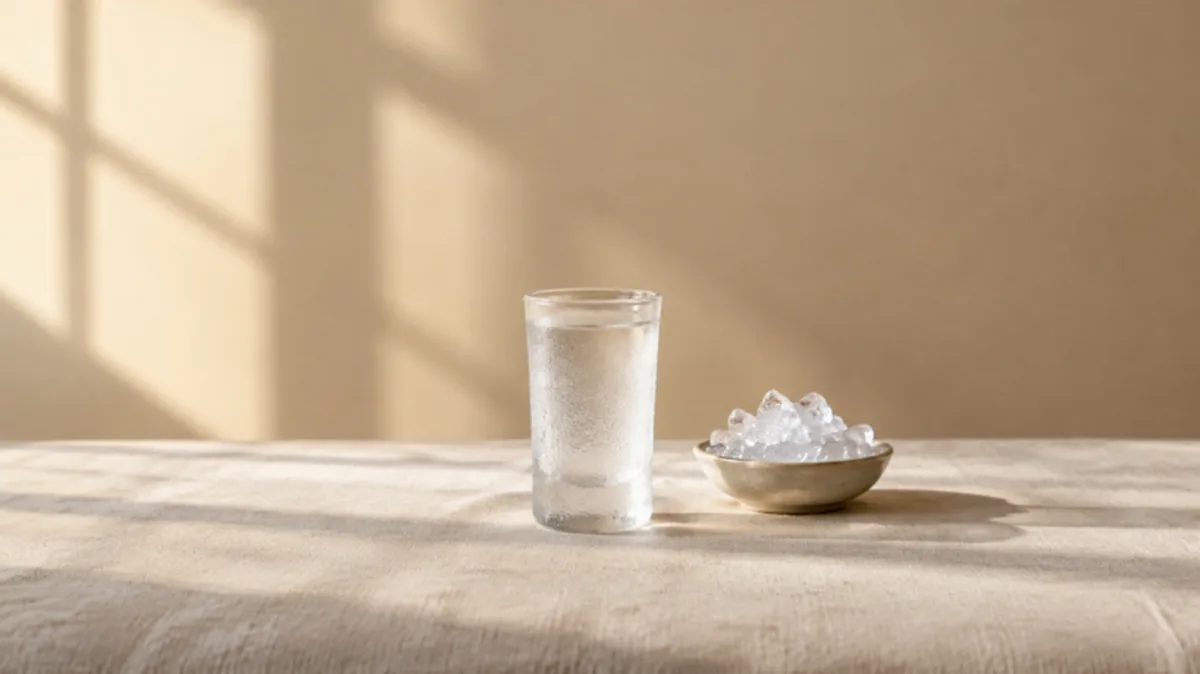
The Story
Born in Eastern Europe, where Russia and Poland both claim it, distilled from whatever grain or potato was to hand. The name comes from voda — "water" — so, roughly, "little water." It stayed regional until the 20th century, when it swept the West (helped by the Moscow Mule and a certain martini-drinking spy) to become the world's best-selling spirit.
What's What
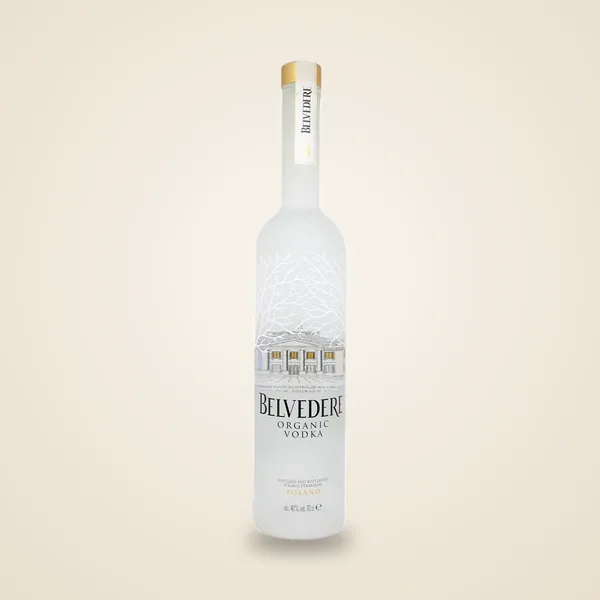
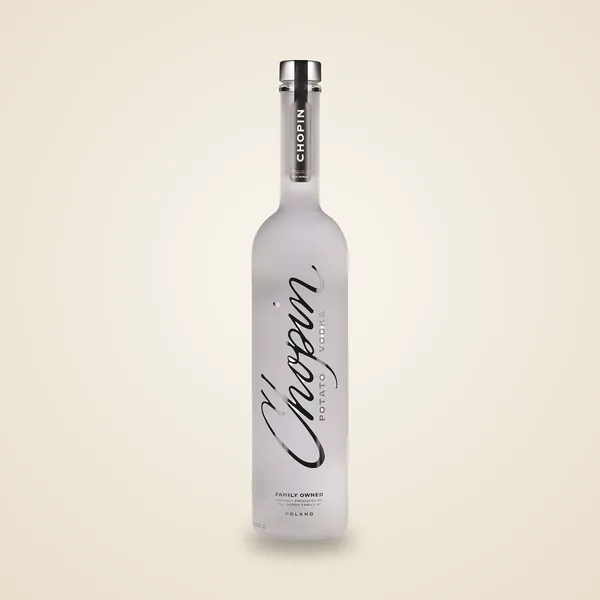
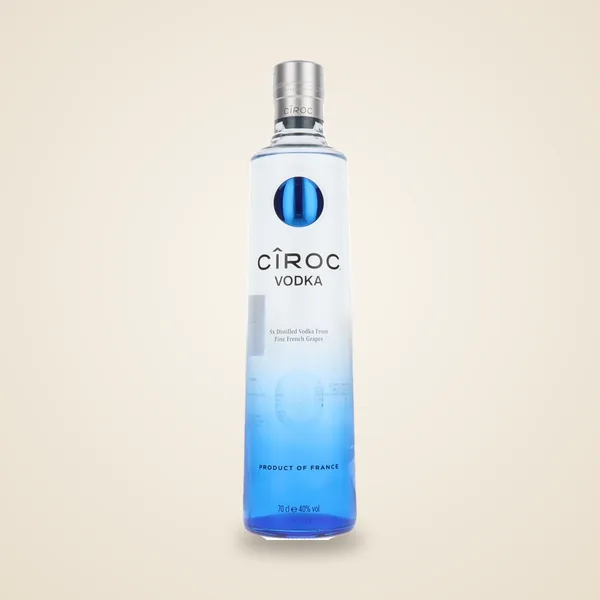 By basegrain (wheat or rye — most premium), potato (fuller, creamier), even grape or corn.
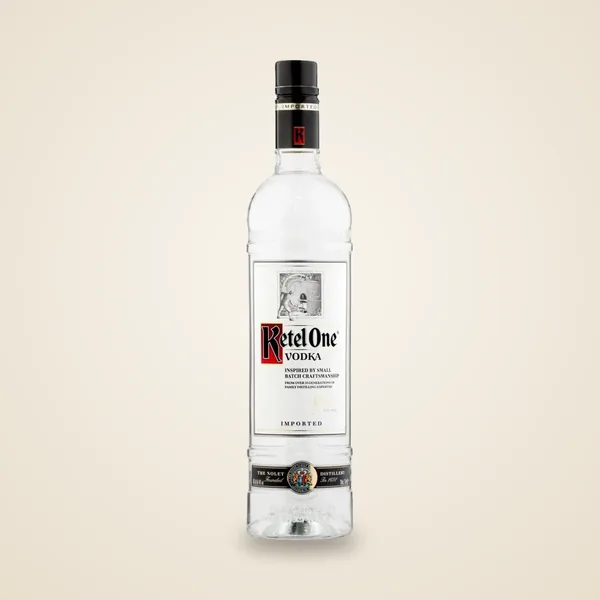 Neutral vs characterfulgood vodka has texture, a hint of sweetness, a peppery edge.
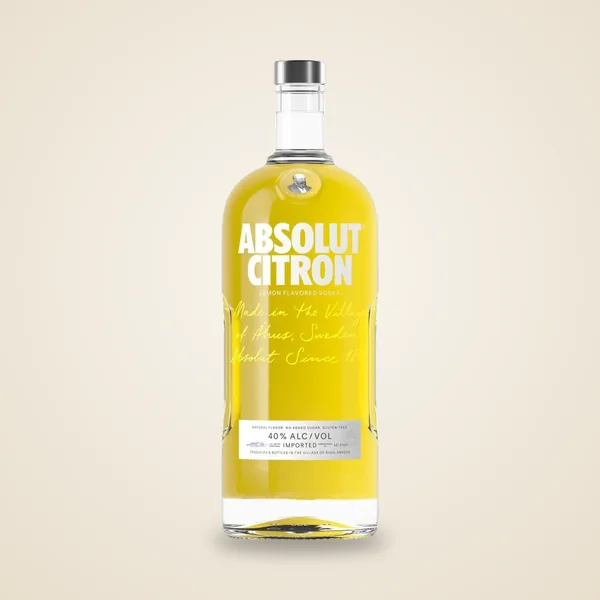 Flavouredcitron, vanilla, pepper and beyond.
- "Distilled X times"past a point it's marketing, though it does strip toward purity.
Key Players
Grey Goose (French wheat, the luxe icon), Belvedere (Polish rye, characterful), Ketel One (Dutch, crisp), Absolut (Swedish, the workhorse), Beluga and Stolichnaya (Russian tradition), Tito's (American craft).
How to Drink It
Serve it cold — the freezer thickens the texture. Neat and icy for purists, but vodka's real gift is the cocktail: Martini, Moscow Mule, Espresso Martini, Bloody Mary.
Fun Facts
- "Vodka" means "little water."
- The Moscow Mule was invented in 1940s America to shift slow-moving vodka and copper mugs — it worked spectacularly.
- "Distilled seven times" is often marketing.
- Potato vodka is rarer than you'd think; most is grain.