Tequila
Mexico's national spirit — distilled from blue agave in and around the town of Tequila, and protected by law, just like Champagne.
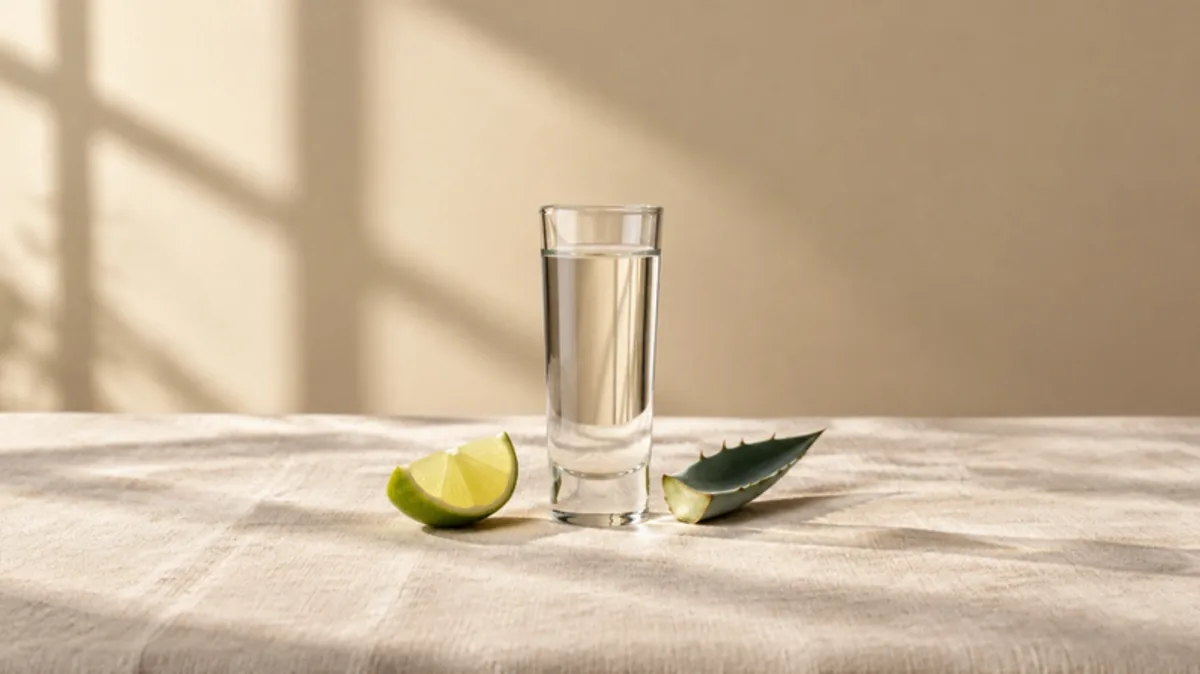
The Story
Long before the Spanish arrived, Mexico's peoples fermented agave into a drink called pulque. Colonists brought distillation in the 1500s, turning it into an early "mezcal wine," and the town of Tequila gave its name to the version made from blue Weber agave. In 1974 it became a protected Denomination of Origin — real tequila can only be made in a handful of Mexican states, mostly Jalisco.
What's What
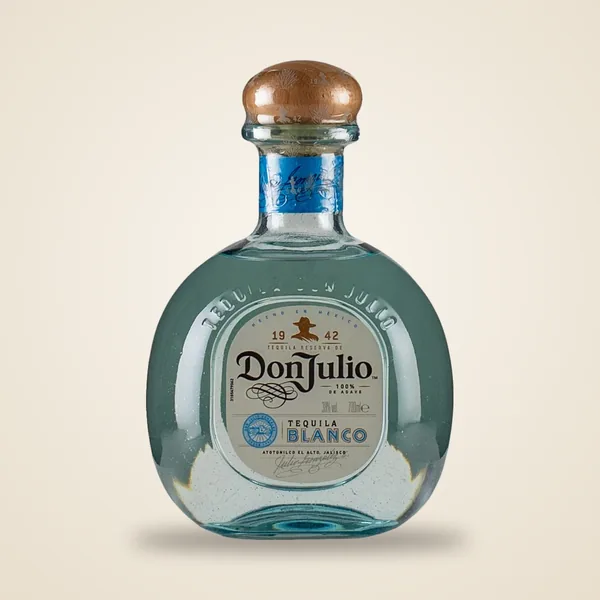 Blancounaged, bright, peppery, pure agave.
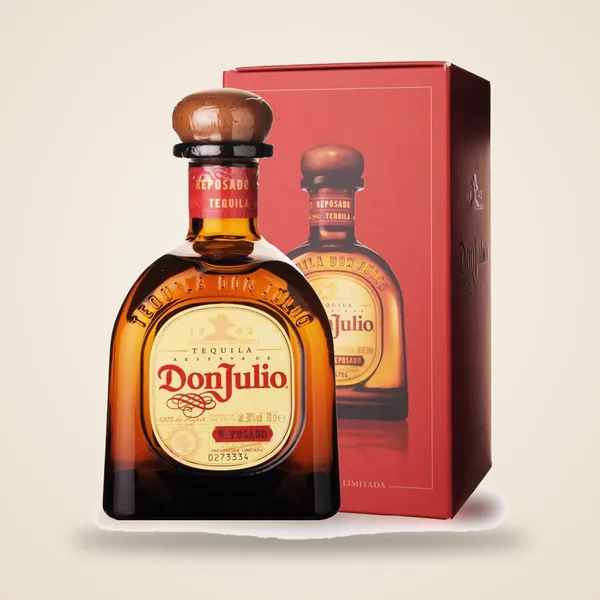 Reposado"rested" in oak 2–12 months; mellow, light vanilla.
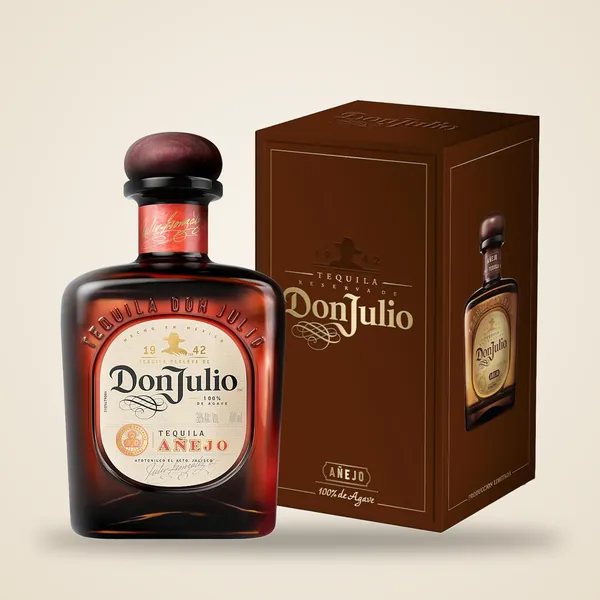 Añejoaged 1–3 years; caramel, spice, richer.
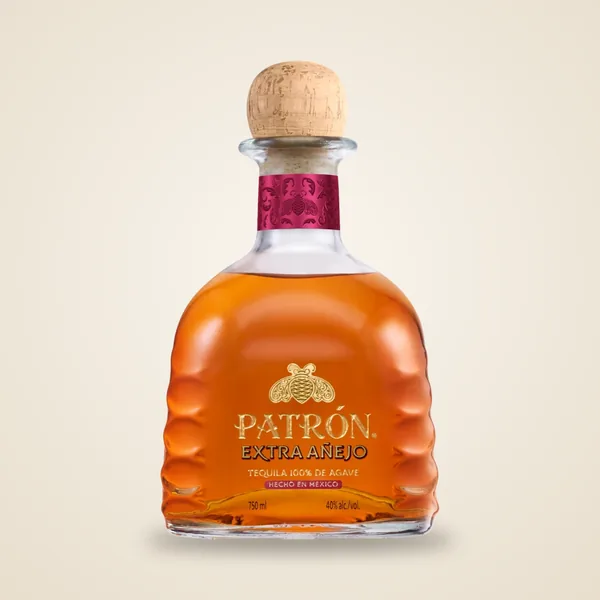 Extra Añejo3 years+; dark, a spirit to sip.
- Look for "100% agave"anything else is a "mixto."
Key Players
Two homelands within Jalisco: the Highlands (Los Altos) give sweeter, fruitier agave; the Lowlands give earthy, peppery character. Names to know: Patrón, Don Julio and Clase Azul at the luxe end; Fortaleza and Ocho for the craft purists; Espolòn for an easy start — and Del Maguey for tequila's smoky cousin, mezcal.
How to Drink It
Good tequila is meant to be sipped neat, at room temperature, in a small glass — the salt-and-lime slam is for the rough stuff. Blanco makes the brightest Margarita or Paloma; reposado and añejo reward slow sipping.
Fun Facts
- Tequila is a type of mezcal — the smoky reputation belongs to other mezcals, not tequila itself.
- Agave takes 6–8 years to mature before it can be harvested.
- The worm is a mezcal marketing gimmick — never in real tequila.
- Fortaleza still crushes its agave under a stone tahona wheel, the old way.