Japanese Whisky
Whisky made in Japan in the Scotch tradition, but pursued with a precision and patience that made it world-beating — often built for balance and the perfect highball.
The Story
It began in the 1920s: Shinjiro Torii founded Suntory and hired Masataka Taketsuru, who'd studied distilling in Scotland. Taketsuru later left to found Nikka. For decades it was a domestic drink — then in the 2000s Japanese bottles started sweeping the world's top awards, demand exploded, and aged stock turned scarce.
What's What
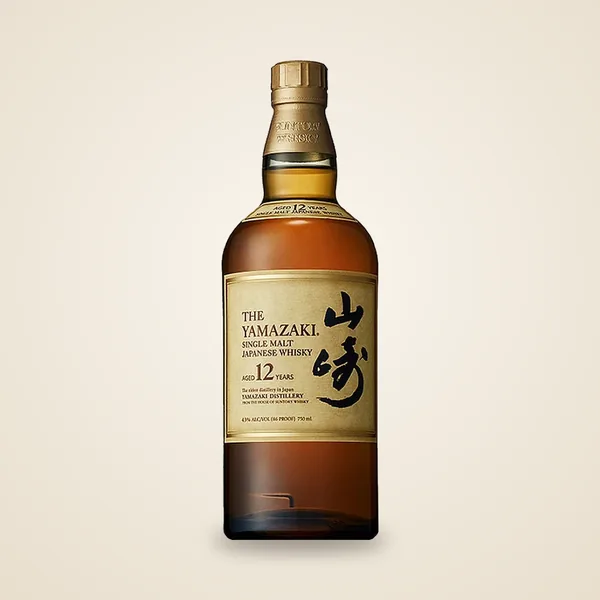 Single Maltone distillery (Yamazaki, Hakushu, Yoichi, Miyagikyo).
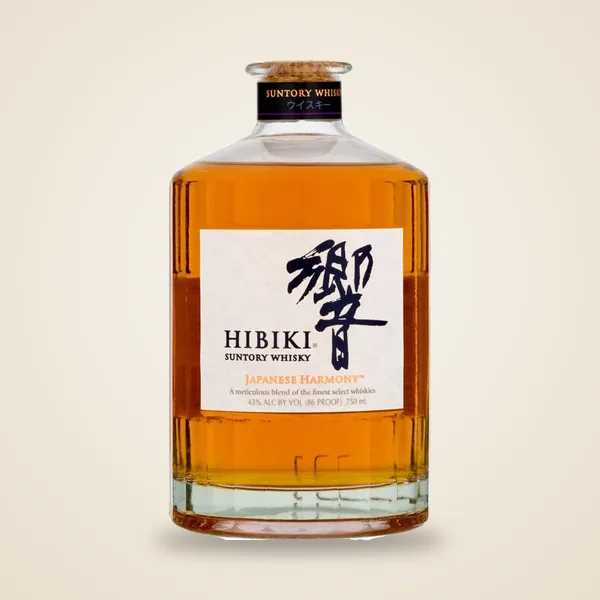 Blendedthe craft the Japanese are famous for (Hibiki, Nikka From the Barrel).
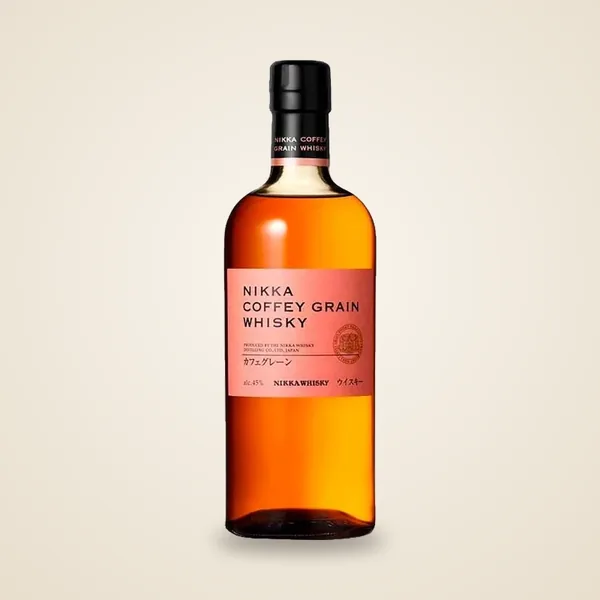 Grainlighter, from Coffey stills.
 Age vs NASaged stock is rare, so many superb bottles carry no age statement.
- Newer labelling rules are tightening what counts as "Japanese."
Key Players
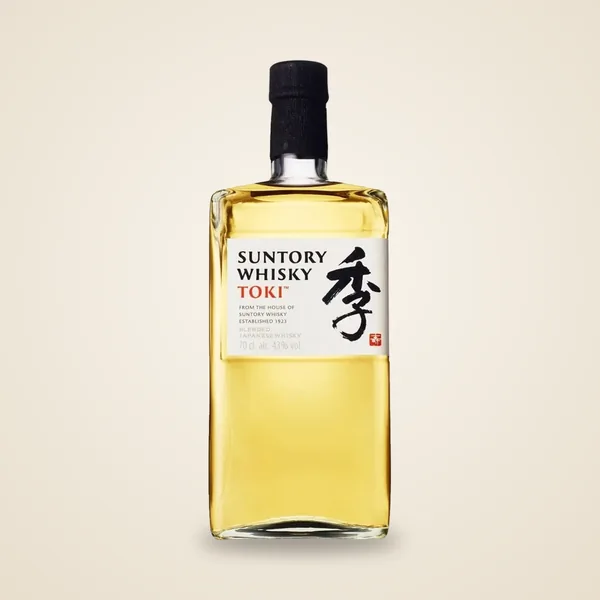
The two giants: Suntory (Yamazaki, Hakushu, Hibiki, Toki) and Nikka (Yoichi, Miyagikyo, From the Barrel, Coffey). Mizunara — Japanese oak — gives a signature sandalwood-and-incense note.
How to Drink It
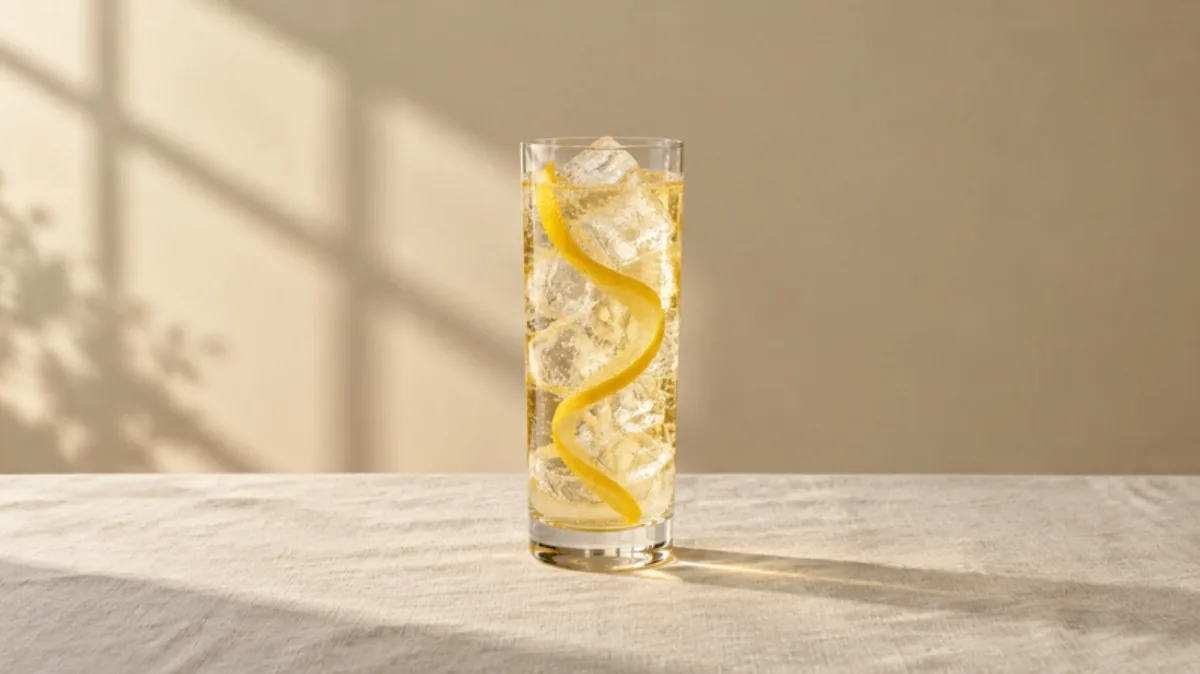
Japan's gift to the world is the highball: whisky, lots of ice, soda, a twist — crisp and brilliant with food. Fine single malts neat or with a drop of water.
Fun Facts
- The "father of Japanese whisky," Taketsuru, learned his craft in Scotland and married a Scot, Rita.
- Mizunara oak is porous and rare — fiendishly hard to work, and gives an incense-like perfume.
- The global boom drained aged stock so fast that some famous age-statement bottles were pulled.
- The highball is so beloved in Japan that bars have dedicated highball taps.