Champagne & Sparkling
Champagne is sparkling wine made only in the Champagne region of France, by a specific method. All Champagne is sparkling wine; not all sparkling wine is Champagne.
The Story
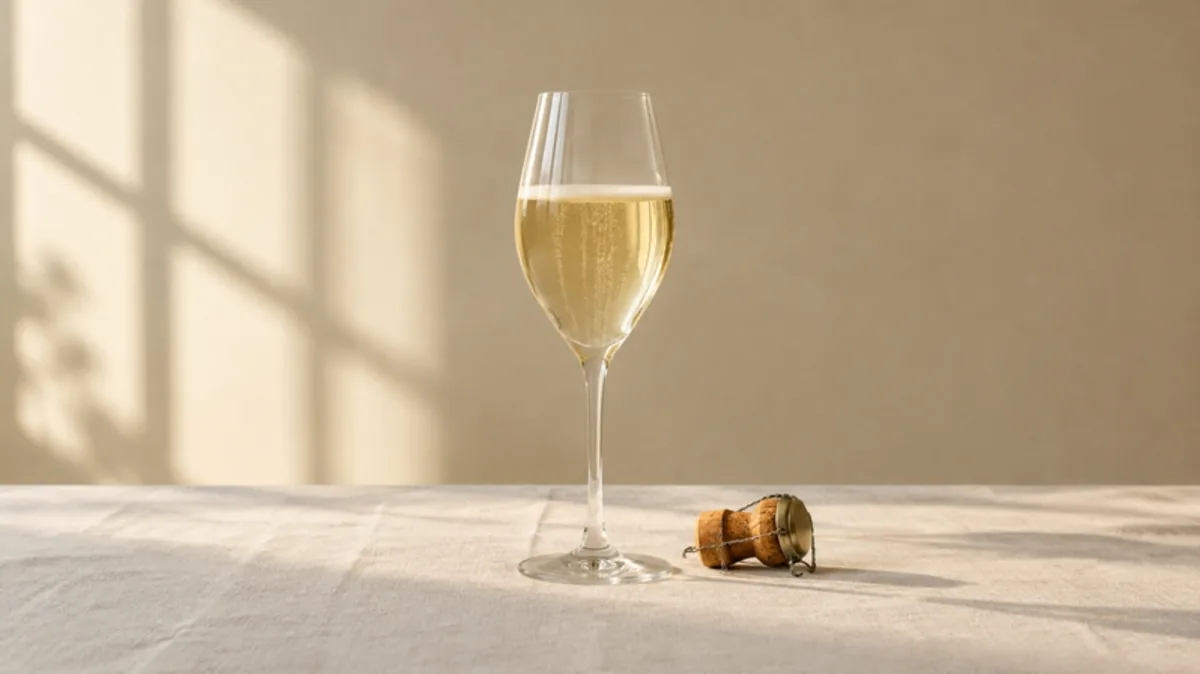
Contrary to the legend, the monk Dom Pérignon didn't invent the bubbles — he spent years trying to get rid of them, because they were seen as a fault. Sparkling wine was refined over the 1700s and 1800s through the méthode champenoise: a second fermentation inside the bottle that traps the fizz. The name became legally protected, so only wine from Champagne, made this way, can carry it.
What's What
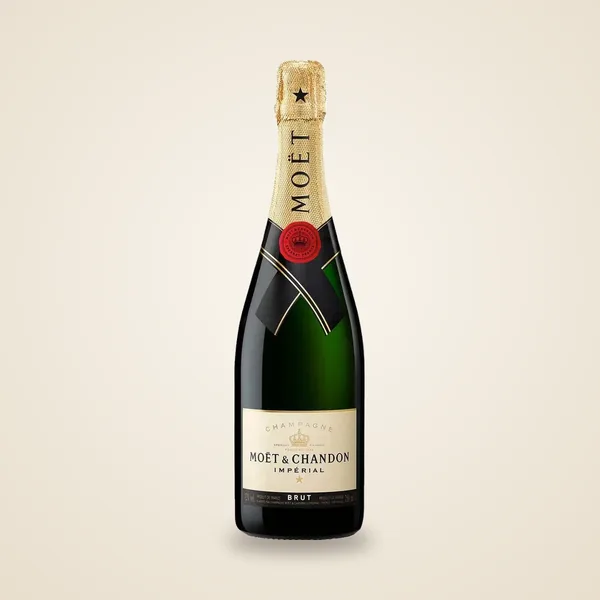 Non-Vintage (NV)a blend across years; the house style, and most Champagne.
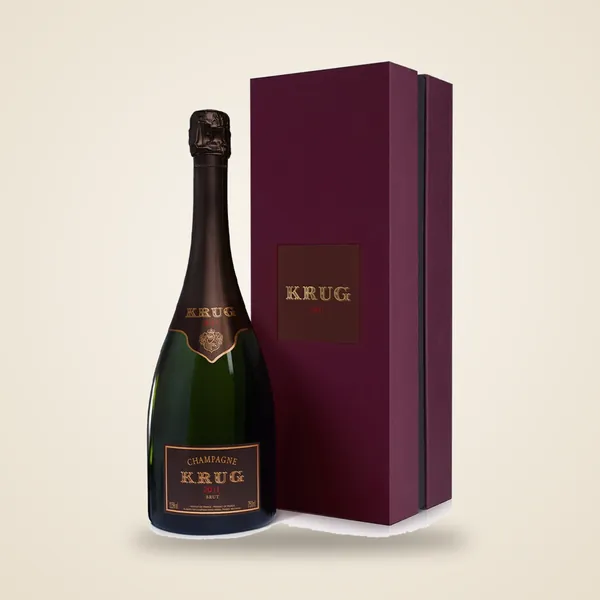 Vintagefrom a single exceptional year, aged longer.
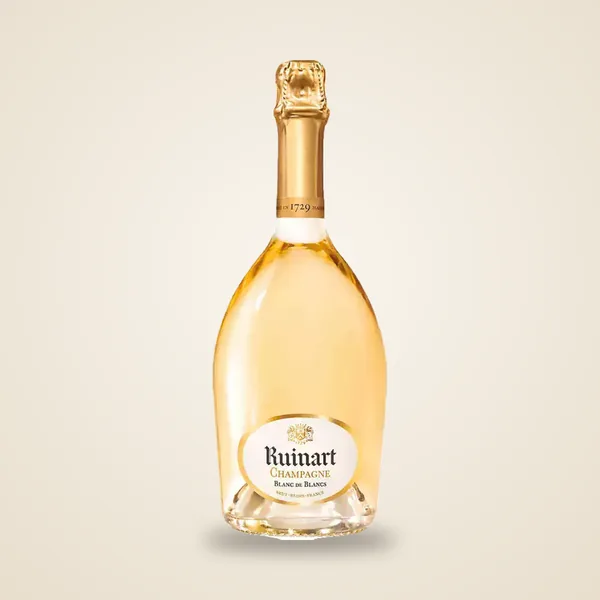 Blanc de Blancs100% Chardonnay; crisp, elegant.
- Blanc de Noirsfrom black grapes; fuller.
- Rosépink, richer.
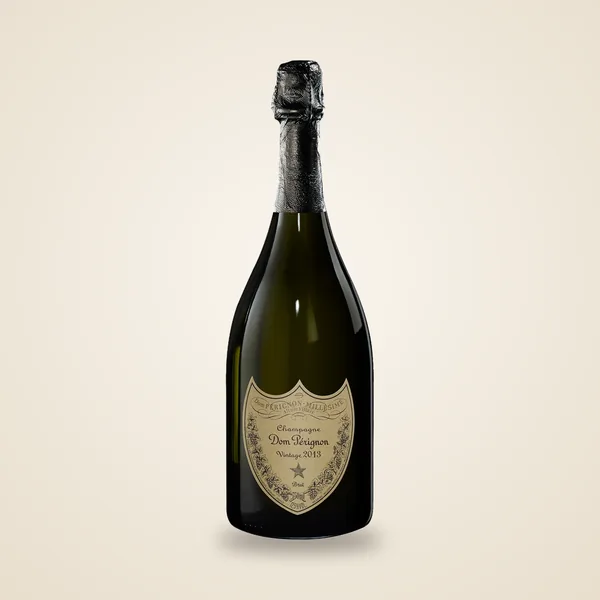 Prestige Cuvéethe flagship (Dom Pérignon, Cristal, Krug).
- SweetnessBrut (dry, standard) → Extra Brut / Brut Nature (bone dry) → Demi-Sec (sweet).
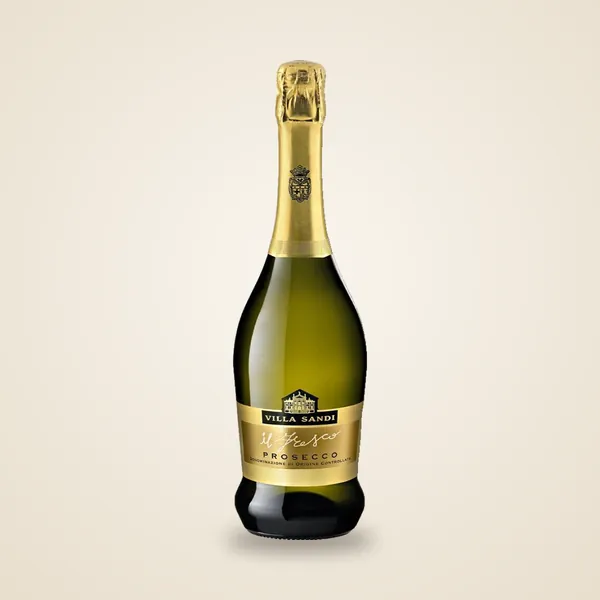
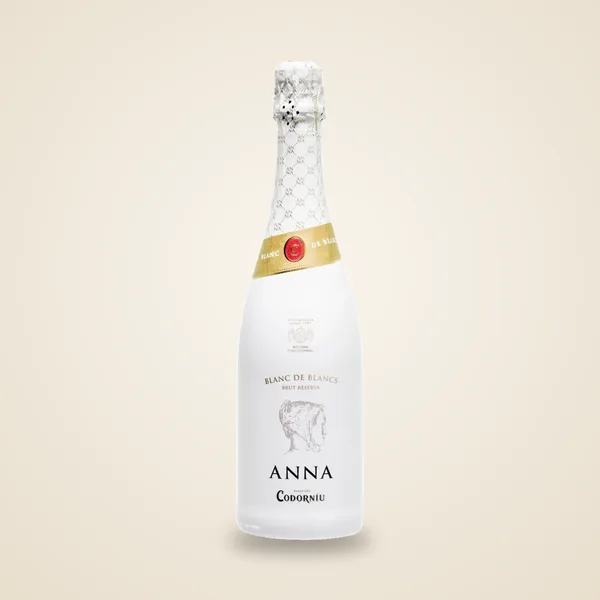 CousinsProsecco (Italy), Cava (Spain), Crémant (France, outside Champagne).
Key Players
The grandes maisons: Moët & Chandon, Veuve Clicquot, Bollinger, Krug, Dom Pérignon, Pol Roger, Taittinger, Ruinart (the oldest house), Laurent-Perrier. Plus the rising "grower Champagnes," made by the families who farm the grapes.
How to Drink It
Cold but not ice-cold (8–10°C) — too cold mutes the flavour. Use a white-wine glass or tulip, not a shallow coupe, which kills the bubbles and aroma. Ease the cork out with a sigh, not a bang.
Fun Facts
- Dom Pérignon spent his life trying to stop wine sparkling.
- A Champagne bottle holds about three times the pressure of a car tyre.
- Pol Roger was Winston Churchill's Champagne — he's said to have drunk some 42,000 bottles.
- A magnum ages more gracefully than a standard bottle.